

Six steps.
No surprises.
A calm, clear path from a first call to a finished film. You always know what happens next, what we need from you, and what you get back.
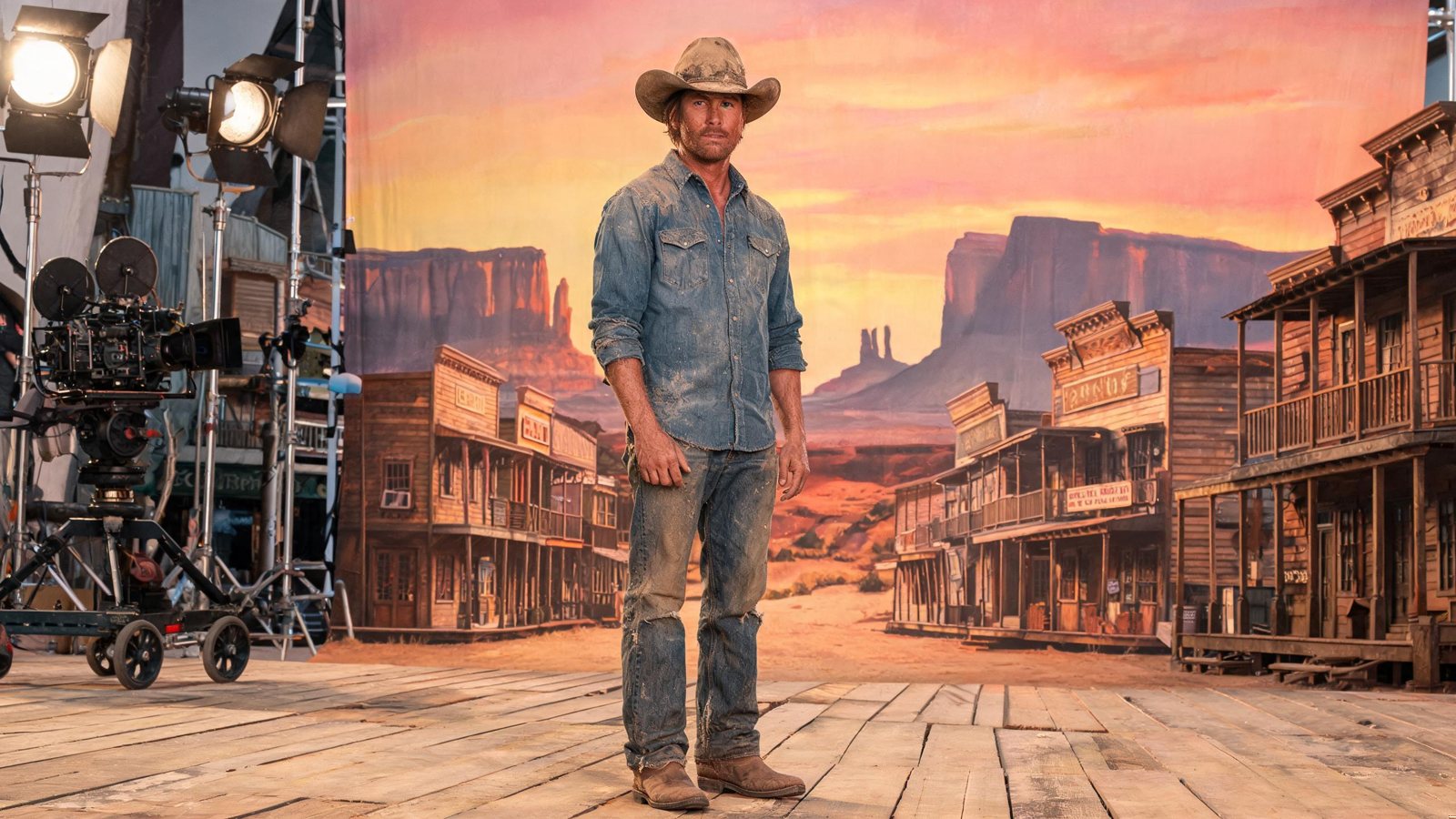 AI-made
You approve every frame
before it moves.
Motion is the slow part of AI film. A still is the fast part. So we show you every shot as a still first, and animate only what you have signed off. The film you get is the film you saw.
What happens,
and when.
- 01
Brief call
30 minutesA call with the people who will make your film. We ask what the film must do, who watches it, where it runs and what it must never say.
You give- What the film is for
- Your audience and channels
- Brand assets and any must-say facts
You get- A short written brief to confirm
- A plan and a quote
- 02
Script & look
We write the script or story, then set the look in our Look Builder: style, camera, lens and colour grade. One look holds the whole film together.
You give- Feedback on the script
- A yes on the look
You get- The script
- A look board with style, camera, lens and grade
- 03
Stills sheet
The signature stepEvery shot of the film is made as a still frame and laid out on one sheet, in order. You see the whole film before anything moves. Changes here are quick.
You give- Notes on any frame
- Your approval of the sheet
You get- The stills sheet, shot by shot
- A clear record of what was approved
- 04
Motion & voice
We animate only the frames you approved, so the film you get is the film you saw. Then the voice: recorded with your speaker, or generated with consent.
You give- A speaker, or a choice of voice
- Pronunciation of names and terms
You get- Moving shots that match the sheet
- The voice track to check
- 05
Edit, sound, grade
Editors cut the film for rhythm and clarity. Sound design and music go in, then one colour grade runs across every shot so it looks like one film.
You give- Notes on the cut
You get- A review copy to watch anywhere
- The final cut, graded and mixed
- 06
Handover
You get everything you need to publish and to change it later, with AI content labelled the way the EU AI Act asks.
You give- Where the film will run
You get- Masters in every format you need
- An editable project
- Captions
- EU AI Act labels for AI-made content
Yours to publish.
Yours to change.
No locked files, no studio you have to come back to. You get the finished film and the means to keep it alive.
Masters
The finished film in every format you publish: wide, vertical, square.
An editable project
The timeline and source files, so the film can be updated later.
Captions and stills
Subtitle files and the approved frames for posters and posts.
EU AI Act labels
The label text and placement for AI-made content, ready to use.
Who owns the finished film?
We agree the usage rights in writing before we start, so you know where and how you can use the film and every cut. One note on AI: in the EU, purely machine-made images may not be protected by copyright on their own. That is why we keep a clear record of the human work in each film, from script to edit.
How many changes can we ask for?
Most changes happen at the stills sheet, where they take minutes, not days. The number of review rounds for the cut is written into the quote, so there are no surprises.
Which languages do you work in?
English and German as standard, for voice, captions and on-screen text. Other languages on request, including translated voice and lip-sync for presenter films.
Can you use our own people’s faces and voices?
Yes, with written consent from each person and an identity check. They decide how their likeness may be used. Without consent we never recreate a real person. We can also cast AI-made characters who do not resemble anyone.
Where is AI used, and how is it labelled?
AI makes the images and motion, and sometimes the voice. People write, direct, edit, mix and grade. AI-made content is labelled as the EU AI Act asks, and we hand over the label text and placement with the film.
What files do we get?
Masters as MP4 in the formats you need, such as 16:9, 9:16 and 1:1. Captions as subtitle files. The approved stills. And an editable project, so your team or another studio can change it later. Other formats on request.
How long does a project take?
It depends on length and type. A short ad moves faster than a long film. After the brief call you get a schedule with a date for each step.
What do you need from us to start?
Two lines on what the film must do, your brand assets, and one person who can approve. That is enough for the brief call.
Book the
brief call.
Thirty minutes. Tell us what the film has to do and we’ll show you how we would make it.